
Aspen Plus Simulation of Lignocellulosic Biomass Conversion
Project Description
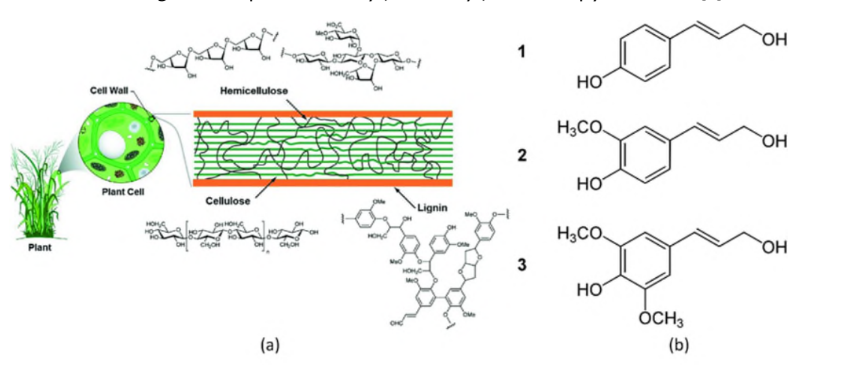
This project focuses on the modeling and simulation of lignocellulosic biomass conversion in Aspen Plus for the production of biofuels and value-added chemicals. Lignocellulosic biomass, composed primarily of cellulose, hemicellulose, and lignin, constitutes the structural framework of plant cell walls. These biopolymers can be converted into fuels and chemicals through biochemical processes, such as enzymatic hydrolysis and fermentation, or thermochemical processes, including pyrolysis and gasification. The study emphasizes capturing the complex composition and conversion pathways of biomass to provide accurate predictions of product yields and energy requirements.
The primary objective is to establish a reliable Aspen Plus framework that can represent biomass composition and evaluate different biomass specification methodologies. The simulation investigates three approaches: pure component representation, which allows stoichiometric modeling for biochemical processes; non-conventional (NC) component modeling based on ultimate and proximate analysis, suitable for thermochemical process simulations; and pseudo-pure component modeling, which supports advanced kinetic simulations of pyrolysis and combustion. Each method is analyzed for its ability to accurately predict mass balances, energy balances, and physical property behavior.
The model integrates detailed biomass composition, property estimation, thermodynamic calculations, and conversion behavior to provide a comprehensive simulation environment. By comparing the different biomass specification methods, the framework identifies the most effective approach for various conversion processes. This modeling strategy enables process optimization, performance evaluation, and scale-up studies, supporting the design of efficient and sustainable biofuel and biorefinery systems.
Process Flow Diagarm
Optimization Strategy
The operational strategy focuses on selecting the appropriate biomass representation method depending on the intended conversion process. For biochemical processes such as hydrolysis and fermentation, biomass is represented using pure components like glucose, xylose, and lignin-derived compounds to allow accurate stoichiometric modeling. In contrast, thermochemical processes such as pyrolysis and gasification use non-conventional components defined by ultimate and proximate analysis, with enthalpy calculated using HCOALGEN and density using DCOALIGT, ensuring realistic thermophysical property predictions.
Moisture is treated separately in a mixed sub stream to provide flexibility in feed specification, while feed composition and flow rates are adjusted using calculator blocks to match realistic biomass conditions. Process monitoring focuses on elemental balance, energy consistency, and property accuracy, ensuring stable and reliable simulation performance. This strategy allows the model to provide accurate predictions for both biochemical and thermochemical conversion systems while supporting process optimization and scale-up studies.
Biomass Composition and Component Specification
Lignocellulosic biomass consists mainly of cellulose, hemicellulose, and lignin. Hemicellulose contains a mix of C5 and C6 sugars such as xylose, arabinose, mannose, and galactose, while cellulose is primarily glucose-based. Lignin is a complex aromatic polymer that contributes to biomass rigidity and high heating value. Additional components like extractives, protein, acetate, and ash are included to represent real biomass behavior. Carbohydrates are modeled using glucose- and xylose-based components, while polysaccharides are represented as solid biopolymers that can be converted into fermentable sugars during processing. Composition data are sourced from experimental databases such as Phyllis, which provide ultimate analysis and biochemical composition for different biomass species.
Thermodynamic and Property Modeling
The NRTL property method is applied for biochemical processing simulations involving liquid-phase reactions and separations. For non-conventional biomass, enthalpy and density are calculated using HCOALGEN and DCOALIGT models. Atomic composition (CHONS), ash content, and moisture are specified to ensure accurate property estimation. Pseudo-pure component methods are also evaluated for advanced simulations, particularly in kinetic modeling of pyrolysis and combustion processes. Proper property selection enables accurate prediction of heat effects, phase behavior, and overall process energy requirements
Projects Insight
Selection of Biomass Representation Method
- Pure components are ideal for fermentation and biochemical processes.
- Non-conventional components simplify thermochemical process modeling.
- Method selection significantly affects simulation accuracy and complexity
Energy Balance Sensitivity
- Different biomass specification methods produce slightly different enthalpy values.
- Converting between pure and NC components may cause minor energy mismatches.
- Consistent modeling approach improves thermal accuracy.
Importance of Accurate Composition Data
- Biomass properties vary with species, location, and environmental conditions.
- Ultimate and proximate analysis improves reliability of simulations.
- Databases such as Phyllis provide valuable reference data.
Impact of Ash and Inorganics
- Ash content affects reactor performance and heat transfer.
- Accurate ash specification improves process design and equipment sizing.
Role of Moisture Content
- Moisture significantly affects energy balance and conversion efficiency.
- Handling water separately improves feed specification flexibility.
- High moisture increases energy demand in thermochemical processes.
Application for Process Optimization
- Aspen Plus framework allows sensitivity analysis and scale-up studies.
- Simulation supports the design of biofuel, biorefinery, and waste-to-energy systems.
Conclusion
The Aspen Plus simulation provides a comprehensive framework for modeling lignocellulosic biomass and evaluating various component specification methods. The study demonstrates that pure component, non-conventional, and pseudo-pure approaches can all effectively represent biomass when applied appropriately. Results emphasize the importance of accurate composition data, proper thermodynamic model selection, and consistent treatment of moisture and energy balances. Selecting the correct biomass representation method based on the conversion process ensures reliable simulation performance and precise predictions of mass and energy balances. This work establishes a solid foundation for designing, analyzing, and optimizing biomass conversion processes, supporting the development of sustainable biofuel and bioenergy systems.