
Dynamic Vessel Depressurization Analysis Using Aspen Plus Dynamics
Project Description
Simu-Link developed a dynamic simulation model to analyze vessel depressurization behavior using Aspen Plus Dynamics. The project focuses on evaluating the time required to safely reduce system pressure from operating conditions to atmospheric levels under controlled shutdown scenarios. The model includes valve operation logic, boundary condition adjustments, and manual controller settings to replicate real plant emergency or operational depressurization procedures. This study provides valuable insights for process safety, equipment protection, and operational risk management in chemical processing facilities.
Process Flow Diagram
Projects Insight
Process Description
- Dynamic depressurization of a pressurized vessel
- Initial vessel pressure set at approximately 49 psi
- Pressure reduction to atmospheric conditions
- Simulation of shutdown and isolation scenario
- Time-based pressure decay analysis
- Representation of real plant safety operations
Simulation Platform & Environment
- Aspen Plus Dynamics for transient simulation
- Conversion from steady-state to dynamic model
- Time-dependent process behavior analysis
- Dynamic task configuration and execution
- Industrial process control environment
- High-accuracy transient system modeling
Operational Logic & Control Strategy
- Feed valve closure through task scheduling
- Boundary pressure set to atmospheric condition
- Controllers configured in manual mode
- Controlled system isolation procedure
- Sequential shutdown operation modeling
- Process response monitoring during depressurization
Pressure Decay & System Behavior
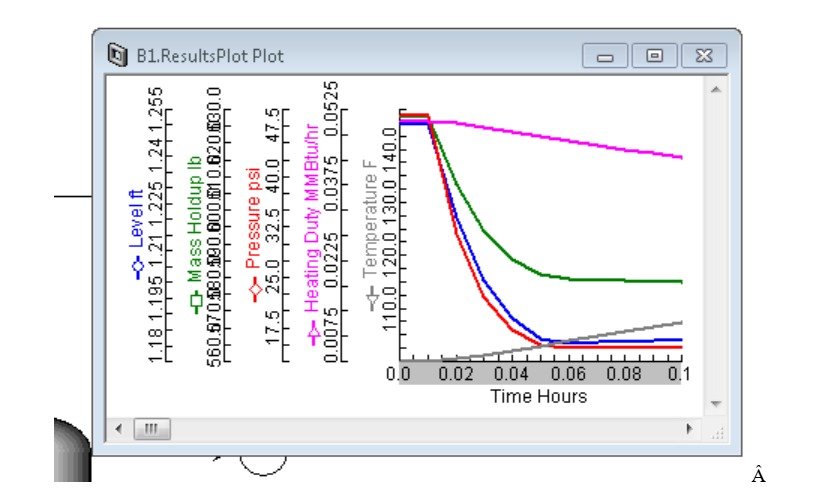
- Evaluation of depressurization time profile
- Monitoring vessel pressure versus time
- Analysis of system stability during pressure drop
- Identification of safe pressure reduction rate
- Dynamic response of process conditions
- Equipment safety performance assessment
Safety & Risk Analysis
- Simulation of emergency shutdown conditions
- Overpressure risk mitigation study
- Support for pressure relief and safety design
- Evaluation of operational safety procedures
- Process hazard analysis support
Engineering Applications
- Plant startup and shutdown studies
- Emergency depressurization system design
- Operator training and scenario analysis
- Process safety validation
- Equipment integrity protection analysis
- Dynamic operational decision support
Process Safety Importance
Depressurization analysis is critical for preventing equipment damage and ensuring safe plantshutdown during abnormal or emergency conditions. This project provides a reliable frameworkto evaluate pressure relief strategies and operational safety limits.
Data Analysis & Visualization
Time-based simulation results provide clear visualization of pressure decay trends and systemresponse. These insights help identify critical time intervals and optimize depressurizationprocedures for safe operation.
Optimization & Operational Strategy
The model allows evaluation of different shutdown strategies and boundary conditions toachieve controlled depressurization. This supports the development of efficient and safeoperational procedures for industrial applications
Industrial Relevance
Dynamic pressure behavior plays a vital role in chemical, oil & gas, and petrochemical industries. The developed model helps engineers understand transient system responses andimprove plant safety and operational reliabil
Conclusion
The vessel depressurization study was successfully performed using Aspen Plus Dynamics toanalyze transient pressure behavior during system shutdown. The simulation accuratelypredicted the time required to reduce vessel pressure from operating conditions to atmosphericlevels. This project demonstrates Simu-Link’s expertise in dynamic process simulation, safetyanalysis, and operational optimization for industrial chemical systems.