
AI & Data-Driven Process Modeling
Data-Driven Process Modeling uses AI and real plant data to build smart and adaptive models that go beyond the limits of traditional simulation.
At Simu-Link, our Data-Driven Process Modeling (AI) service delivers a powerful hybrid approach for simulation and optimization. We combine the precision of first-principles models, the adaptability of AI, and insights from real-world process data to create intelligent and responsive models that accurately reflect dynamic plant behavior.
How Does AI-Driven Hybrid Modeling Improve Process Simulation?
AI-driven hybrid modeling enhances process simulation by combining the first-principles with the adaptability of artificial intelligence. This approach leverages real-time plant data to dynamically calibrate and refine simulation models, uncovering hidden patterns and enabling more accurate, responsive predictions. It significantly reduces manual modeling effort, supports faster scenario evaluation, and integrates seamlessly with plant control systems. By continuously learning from operational data, hybrid models deliver high-fidelity insights, minimize downtime, and improve decision-making in complex and rapidly changing industrial environments.
Key Deliverables
Our hybrid modeling approach integrates AI with core simulation principles to create dynamic, self-improving process models. These models continuously adapt by learning from real plant data, minimizing manual modeling effort while delivering enhanced operational performance.
Smarter Predictions
Leverages AI to uncover hidden patterns and automatically refine process based on real-time data.
Flexible Integration
Seamlessly interfaces with existing sensors, PLCs, and plant control systems for streamlined deployment.
Faster Optimization
Accelerates model calibration and enables efficient evaluation of process scenarios to support faster, data-driven decisions
Accurate Insights
Combines plant-generated data with physics-based logic to deliver precise, high-fidelity process analysis.
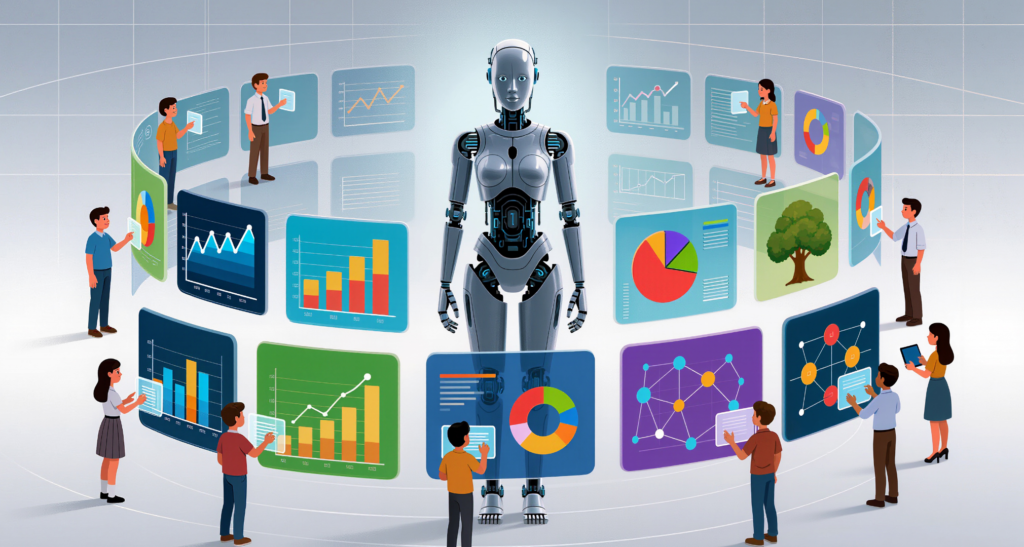
Core Strengths in Data-Driven Process Modeling
By fusing artificial intelligence with first-principles models, our hybrid approach delivers both accuracy and adaptability. These AI-enhanced models evolve with your plant operations, enables faster response to changing conditions and uncover valuable process insights.
- Minimizes manual modeling effort while modeling complex dynamics
- Enhances decision-making with real-time, data-informed simulations
- Reduces downtime by identifying inefficiencies before they escalate
- Continuously adapts through real-time plant data to improve predictive accuracy
Our solution combines the precision of traditional modeling with AI’s adaptability to maintain your competitive edge. Simu-Link’s data-driven approach delivers faster insights that reduce risk, enhance control, and improve operational efficiency.
How We Work
- Data audit – we check data quality, gaps, sensor drift and the operating range covered.
- First-principles backbone – a mass and energy balance model of the process.
- Machine-learning layer – corrects for effects the physics model does not capture.
- Validation – the model is tested on data that was not used for training.
- Handover – documentation on model limits, use and retraining.
Typical Applications
Typical applications include soft sensors for quality variables that are measured only occasionally, prediction of yield or energy use under changing feedstocks, and what-if studies that run faster than a full rigorous simulation.
What We Need From You
For data-driven process modeling we need historian or laboratory data, any existing process model, and the variables you want to predict or optimize.
Frequently Asked Questions
How much data does data-driven process modeling need?
It depends on the complexity of the process. What matters most is that the data covers the operating range you want to predict, which we assess in the data audit before modeling starts.
Why a hybrid model instead of pure machine learning?
Hybrid models respect mass and energy balances and behave more safely outside the training data. Pure machine-learning models can give physically impossible answers.
How do the models stay accurate over time?
Models are recalibrated or retrained when operating conditions or feedstocks change. We document when and how this should be done.