
Embedded System Design
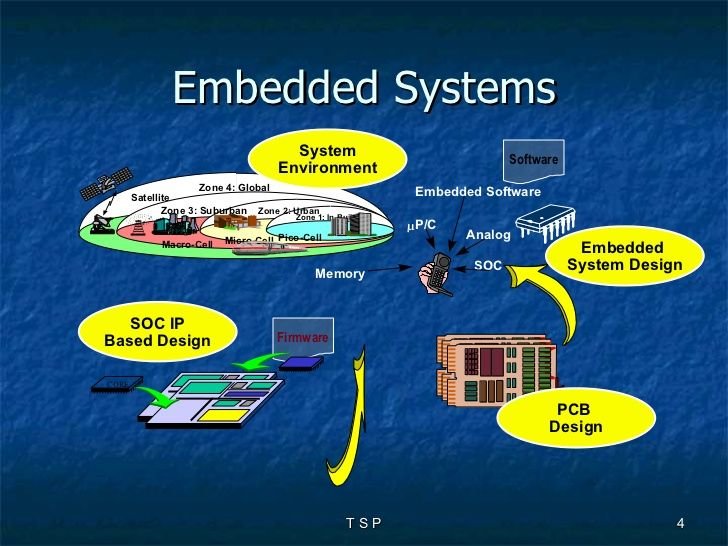
Embedded system design involves the integration of hardware and software to perform dedicated functions within electronic systems. These systems are widely used in industrial automation, robotics, IoT devices, and consumer electronics. Efficient communication, control, and real-time data handling are central to their performance. Each system is optimized for reliability, speed, and low power consumption.
At Simu-Link, we develop tailored embedded solutions using industry-proven microcontrollers and embedded platforms. Our process includes hardware selection, firmware development, testing, and seamless integration. We ensure our systems meet project-specific constraints and are aligned with international standards. Every solution is designed for flexibility, scalability, and operational efficiency.
Key Deliverables
Our embedded system design service delivers robust, scalable, and application-specific solutions. We ensure each design meets performance targets, complies with safety and communication protocols, and is validated under real-world constraints. Every deliverable reflects our commitment to embedded reliability and control precision.
Custom Firmware
Development of optimized, real-time code tailored to specific microcontroller architectures.
Hardware Integration
Seamless interaction between sensors, actuators, and control units through validated interfaces.
Real-Time Testing
Implementation of simulation-based testing environments to validate timing and logic.
Protocol Compliance
Embedded systems designed to meet industry standards like CAN, I2C, SPI, UART, and Modbus.

Core Strengths in Embedded System Design
Our embedded system design service provides multiple engineering and operational advantages. From streamlined control architecture to increased signal accuracy, our solutions are tailored to meet both product and industrial-grade requirements—ensuring long-term performance and reliability in embedded environments.
- Enhanced real-time response through optimized code execution.
- Reduced power consumption via efficient hardware-software co-design.
- Scalable architecture for seamless integration across platforms.
- Robust fault handling and self-diagnostic capabilities.
We prioritize system efficiency and lifecycle stability by applying proven design methodologies. Our team ensures each solution is backed by detailed documentation, rigorous testing, and seamless scalability for future modifications.
How We Work
- Requirements – sensors, actuators, communication, power and environment.
- Platform selection – microcontroller and peripherals.
- Firmware – drivers, control logic and communication.
- Testing – bench tests with real sensors or simulated signals.
- Integration – support and documentation for installation.
Typical Applications
Embedded system design is used for data loggers, monitoring units for process equipment, sensor gateways, small control units and test rigs. Each system is designed around its real operating environment, with attention to reliability, power consumption and maintainability.
What We Need From You
For embedded system design we need a description of the function, the sensors and actuators involved, the communication interfaces required (for example Modbus, UART or Wi-Fi), the power source and the operating environment.
Frequently Asked Questions
Which microcontrollers do you use for embedded system design?
We choose the microcontroller family to fit the requirements – I/O, processing power, energy use, cost and availability – rather than forcing one platform.
Can the system integrate with our existing equipment?
Yes, using standard interfaces agreed at the requirements stage.
What documentation do you provide?
Hardware notes and schematics, the firmware source code, and a short guide for installation and testing.
Can you develop both hardware and firmware?
Yes. Hardware design, PCB layout and firmware can be handled together, so the complete embedded system is tested as one unit.
Do you support prototypes and small series?
We support prototype builds and testing. Series production is done by the manufacturer of your choice using our documentation.
Can data be sent to a PC or a cloud dashboard?
Yes, through standard interfaces or communication modules selected at the requirements stage.